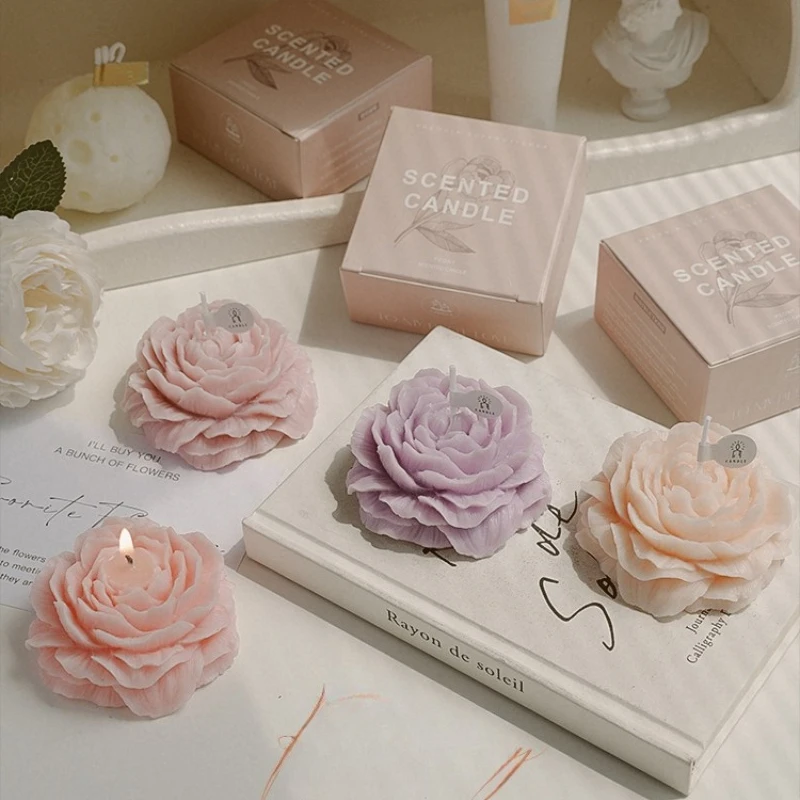
Visual Palette and Scent Architecture Are the Same Conversation
Consider how a visual palette functions: it establishes a temperature, a weight, a sense of era. Cool greys and whites signal precision and restraint. Deep ochres and raw linens read as organic, unhurried, rooted. Every experienced designer understands this instinctively.
Scent architecture operates by identical logic. Top notes — the volatile, fast-dispersing compounds like bergamot or juniper — function like the highlights in a room: immediate, defining the first impression. Base notes — cedarwood, vetiver, labdanum — are the walls and floors. They are not always consciously perceived, but their removal changes everything.
The mistake most people make is treating scent as decoration — something added after the visual decisions are complete. The more coherent approach is to treat scent as structural: chosen in relation to the palette, the materials, the light quality of the space, not as an afterthought placed on a shelf.
A Practical Framework
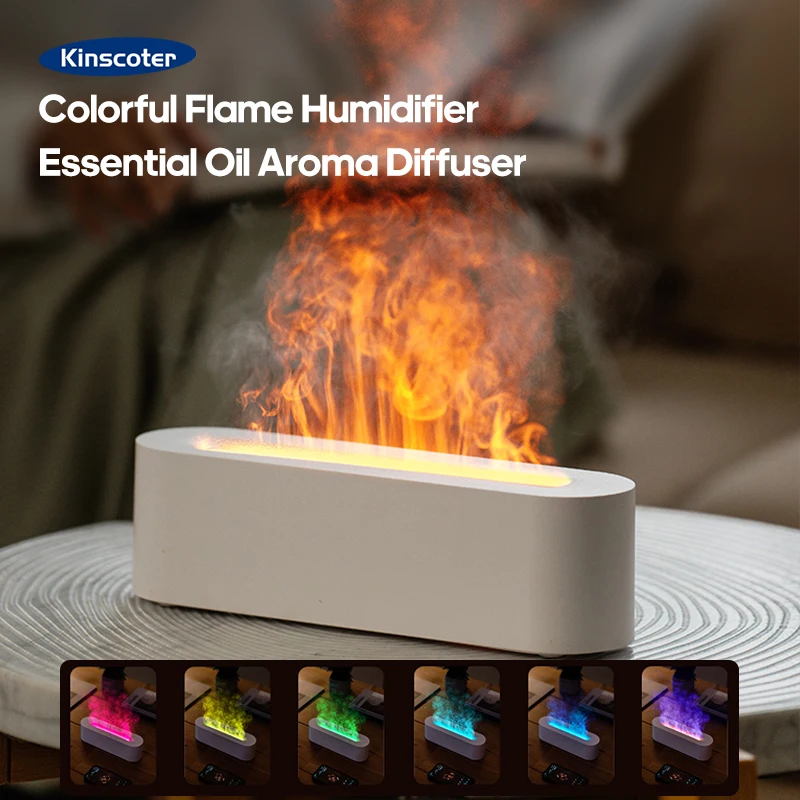
Cool, minimal spaces — white plaster, polished concrete, brushed metal — benefit from scents that share their register: green tea absolute, hinoki wood, cold iris. Sweetness here reads as a category error.
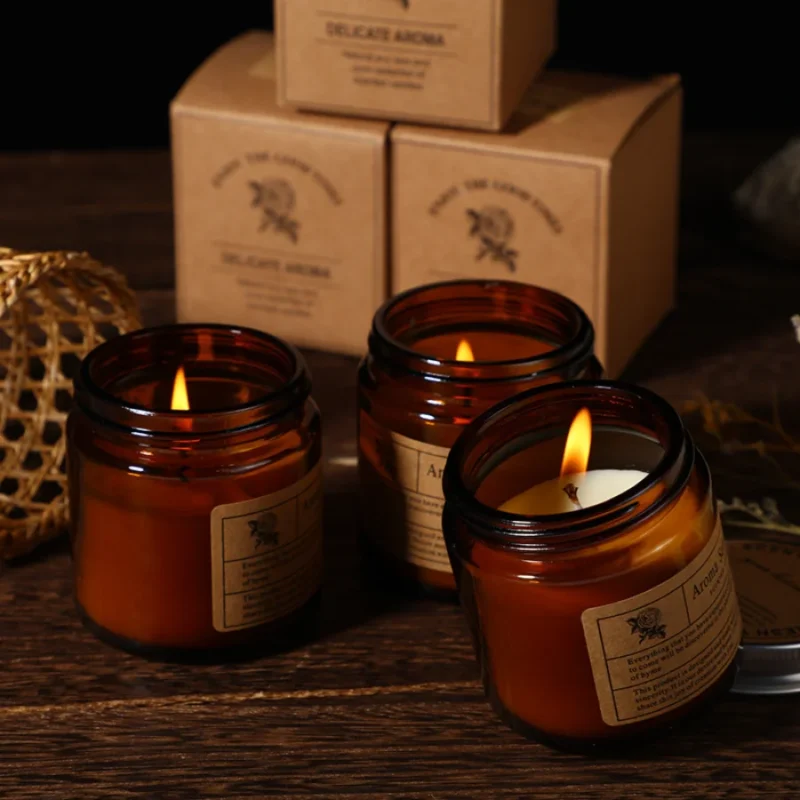
Warm, textured spaces — raw oak, aged leather, wool, terracotta — call for scents with density and shadow: Atlas cedarwood, benzoin, smoked vetiver, black pepper trace. Bright florals will fight the room rather than complete it.
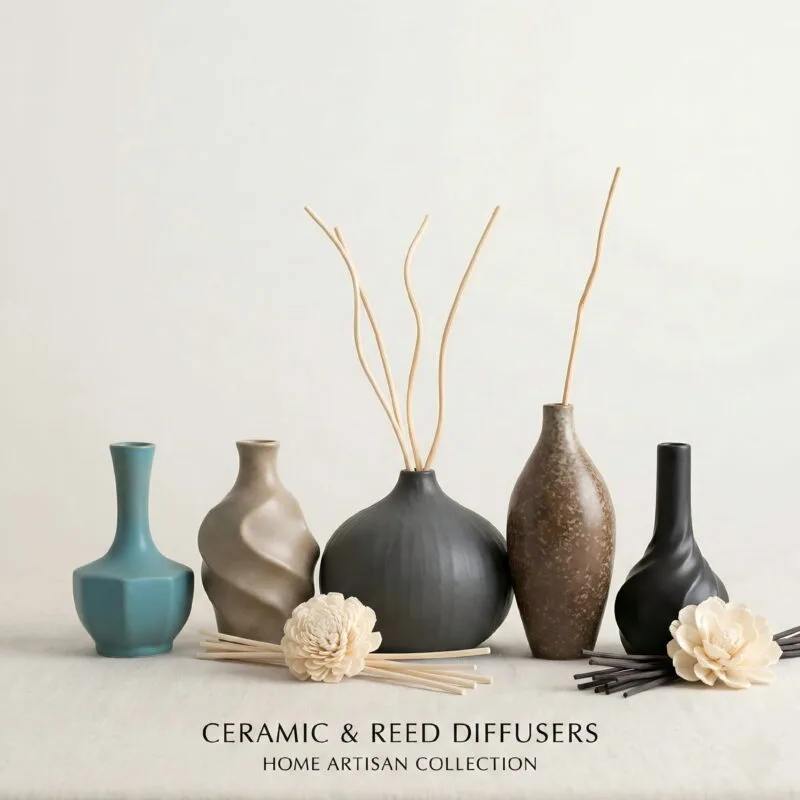
Transitional spaces — entryways, corridors, staircases — are often neglected. They are, in fact, the space where olfactory first impressions are formed. A single, clean cedarwood and white musk diffuser placed at the threshold sets the sensory expectations for everything that follows.
The Edit, Not the Accumulation
The final principle mirrors good design in every other discipline: restraint produces clarity. One well-chosen scent, calibrated to the visual logic of the space, will do more than four conflicting ones. The goal is not to fill the air. The goal is to make the room feel inevitable — as if it could not have smelled any other way.