
Blog
Pet-Safe Essential Oils for Dogs and Cats: Safe Aromatherapy Scents, Toxic Oils to Avoid, and Diffuser Safety Guide (2026)

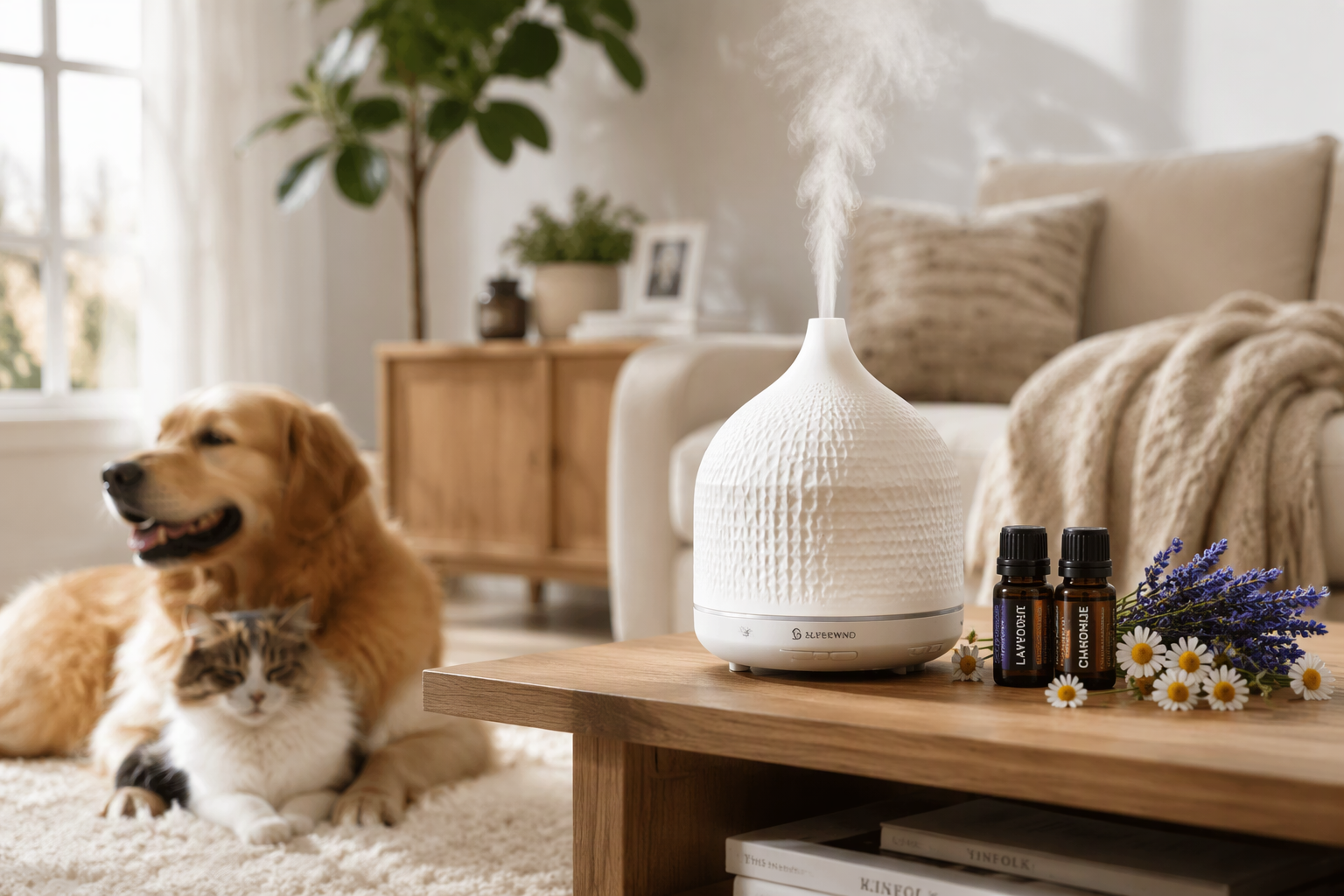
Direct answer: Using pet-safe essential oils for dogs and cats requires strict adherence to safe diffusion methods, proper dilution ratios, and knowing which botanical compounds pose toxic risks to animal metabolisms. While pure botanical oils like Roman chamomile, frankincense, Atlas cedarwood, and lightly diluted French lavender are generally safe when diffused in intermittent ultrasonic cool-mist diffusers in well-ventilated rooms, high-phenol and terpene-rich oils—including tea tree (melaleuca), eucalyptus, wintergreen, peppermint, pine, cinnamon, and citrus oils—are hazardous to pets due to feline liver enzyme deficiencies (specifically glucuronyl transferase) and canine respiratory sensitivities. Pet owners should prioritize water-based ultrasonic diffusion over direct topical or oral exposure, always leave room doors open for easy pet exit, and limit diffusion sessions to 30–60 minutes.
By Dr. Clara Vance, Chief Aromatherapist & Fragrance Consultant | Last Updated: November 5, 2026
1. Understanding Pet Physiology: Why Essential Oils Affect Cats and Dogs Differently
Aromatherapy enhances human living spaces by reducing everyday stress and elevating indoor atmosphere. However, companion animals process volatile organic compounds (VOCs) and inhaled botanical molecules through biological pathways distinct from humans. When evaluating pet-safe essential oils for dogs and cats, pet parents must understand the physiological differences governing animal metabolism and respiratory health.
Feline biology is particularly vulnerable to concentrated essential oils. According to veterinary toxicologists at the VCA Animal Hospitals, cats lack an essential hepatic enzyme known as glucuronyl transferase. This specific liver enzyme is responsible for metabolizing and conjugating phenols, monoterpene hydrocarbons, and benzene derivatives. Without adequate enzyme pathways, toxic metabolites accumulate rapidly in feline hepatic tissue, leading to acute liver failure, central nervous system depression, or respiratory distress.
Dogs possess a more robust hepatic metabolic profile than cats, yet their olfactory capabilities are between 10,000 to 100,000 times more sensitive than human nasal receptors. Canines also have narrower respiratory passages in brachycephalic breeds (such as French Bulldogs, Pugs, and Boston Terriers). Inhaling strong, unventilated aromatic vapors can trigger bronchospasms, severe coughing fits, and ocular irritation. Understanding these physiological mechanisms allows pet owners to choose genuinely safe botanical solutions without sacrificing a fragrant, welcoming home.
2. Toxic Essential Oils to Avoid in Pet Households (Red-Flag List)
Before introducing any aromatherapy diffuser into a home with cats or dogs, pet parents must identify toxic botanical extracts. The ASPCA Animal Poison Control Center and the Pet Poison Helpline list several high-risk plant extracts that should never be diffused in closed spaces with pets present.
| Essential Oil | Primary Toxic Component | High Risk Species | Potential Adverse Health Effects |
|---|---|---|---|
| Tea Tree (Melaleuca alternifolia) | Terpinen-4-ol & 1,8-Cineole | Cats & Dogs | Hypothermia, severe ataxia (loss of motor coordination), muscle tremors, paresis, and acute hepatic failure. |
| Wintergreen & Sweet Birch | Methyl Salicylate | Cats & Dogs (Severe in Cats) | Aspirin-like toxicity, severe gastrointestinal ulceration, metabolic acidosis, liver necrosis, and renal failure. |
| Eucalyptus (Globulus / Radiata) | Eucalyptol (1,8-Cineole) | Cats & Dogs | Excessive salivation, respiratory depression, bronchoconstriction, vomiting, and lethargy. |
| Peppermint & Pennyroyal | Menthol & Pulegone | Cats & Dogs | Hepatic necrosis, aspiration pneumonia, severe mucosal burning, and neurological depression. |
| Cinnamon & Clove | Cinnamaldehyde & Eugenol | Cats & Dogs | Severe mucous membrane irritation, liver toxicity, contact dermatitis, and elevated heart rate. |
| Citrus Oils (Lemon, Orange, Bergamot) | d-Limonene & Linalool | Cats (High Risk) | Skin hypersensitivity, phototoxicity, drooling, liver stress, and gastrointestinal distress. |
| Pine & Juniper | Alpha-Pinene & Phenols | Cats & Dogs | Irritation of mucous membranes, renal strain, weakness, and central nervous system depression. |
If your home currently contains any of the above oils, store them securely in sealed cabinets where pets cannot knock them over, lick surfaces, or inhale concentrated airborne vapors.
3. Safe Essential Oils for Dogs and Cats (Vet-Approved Green List)
Fortunately, pet lovers do not need to abandon home fragrance altogether. When sourced at 100% therapeutic purity and diffused in modest concentrations, several botanicals offer soothing benefits for both humans and companion animals. Peer-reviewed research highlighted by the National Center for Complementary and Integrative Health (NCCIH) confirms that pure botanicals can promote emotional calm without synthetic chemical burdens.
A. Top Pet-Safe Essential Oils
- Roman Chamomile (Chamaemelum nobile): Renowned for its gentle sedative properties, Roman chamomile is rich in esters (isobutyl angelate) that promote restful sleep and soothe separation anxiety in dogs and cats without overwhelming sensitive airways.
- Frankincense (Boswellia carterii / serrata): Containing monoterpenes and boswellic acids, high-grade frankincense supports respiratory comfort, emotional grounding, and immune balance. It has one of the safest historical records in veterinary aromatherapy.
- Atlas Cedarwood (Cedrus atlantica): Unlike toxic eastern red cedar (which contains thujone), Atlas cedarwood features grounding sesquiterpenes (himachalene) that provide a warm, woody aroma safe for canines and felines, while naturally deterring pests.
- Lavender (Lavandula angustifolia – True French Lavender): True lavender contains calming linalool and linalyl acetate. When diffused at low concentrations (2–3 drops in an ultrasonic mist), it helps settle hyperactive puppies and nervous indoor cats. Note: Always avoid Lavandin or spike lavender, which contain higher camphor levels.
- Sweet Marjoram (Origanum majorana): A mild, herbal note that helps relieve muscle tension, soothe nervous pacing, and create a tranquil evening routine.
- Copaiba (Copaifera officinalis): Rich in beta-caryophyllene, copaiba offers grounding, earthy notes that support a peaceful home environment with zero harsh phenol risks.
4. Diffuser Selection for Pet Households: Ultrasonic Cool Mist vs Waterless & Candles
The device you use to disperse aroma is just as vital as the oil you select. Many common home fragrance formats pose hidden hazards to pets:
- Traditional Scented Candles: Paraffin wax combustion releases particulate matter, volatile organic compounds (toluene, benzene), and soot that settle in animal lungs and fur. Open flames also present catastrophic tip-over fire hazards from wagging tails or climbing cats.
- Waterless Nebulizing Diffusers: Nebulizers atomize 100% pure oil straight from the bottle without water dilution. This generates ultra-concentrated airborne droplets that can quickly overwhelm a pet’s respiratory tract or settle on their coat where self-grooming felines ingest the residue.
- Ultrasonic Cool-Mist Diffusers (Recommended): Ultrasonic diffusers use high-frequency ceramic vibrational plates (1.7 to 2.4 MHz) to break water and 2–4 drops of essential oil into an ultra-fine, cool microscopic vapor. This significantly dilutes the aromatic density while providing gentle indoor air humidification.
Modern pet-conscious households choose premium ultrasonic diffusers like the Peer’s Home Ceramic Ultrasonic Aroma Diffuser. Engineered with a heavy matte ceramic shell that prevents accidental tipping, whisper-quiet operation below 25 dB, intermittent mist intervals, and automatic waterless shutoff, Peer’s Home devices ensure safe, controlled, and flame-free aromatherapy for pets and humans alike.
5. 6 Golden Safety Rules for Diffusing Essential Oils in Pet-Friendly Homes
To ensure total wellness for your four-legged family members, incorporate these six foundational safety practices into your daily scenting routine:
- Always Ensure an Open Door (The Exit Rule): Never run a diffuser in a closed bedroom or confined laundry area where pets are confined. Animals must always have the freedom to walk into another room if an aroma becomes uncomfortable for their keen senses.
- Practice Intermittent Diffusion (30-Minute Windows): Run your diffuser for 30 to 60 minutes, then turn it off for at least an hour. Continuous 24/7 diffusion leads to olfactory fatigue and unnecessary hepatic accumulation.
- Use the “Micro-Drop” Dilution Formula: For a 200ml–300ml water reservoir, add only 2 to 3 drops of pure essential oil. What smells faint to human noses is vividly distinct and therapeutic to a dog or cat.
- Elevate Diffusers on Stable, High Surfaces: Place your ultrasonic diffuser on sturdy bookshelves, elevated credenzas, or wall-mounted desks out of reach of playful paws or jumping kittens to prevent spills into water bowls or bedding.
- Never Apply Pure Oils Directly to Pets: Essential oils must never be rubbed onto fur, paw pads, collars, or added to pet food. Direct topical application can cause chemical burns and life-threatening toxicity through grooming ingestion.
- Ventilate Daily: Open windows for 10–15 minutes each day to refresh ambient indoor airflow and clear residual micro-particulates before starting your evening diffusion cycle.
6. Recognizing Clinical Signs of Essential Oil Toxicity in Pets
Despite careful precautions, accidental spills or unauthorized exposures may occur. Rapid recognition of clinical distress can save an animal’s life. Monitor your pets closely for the following indicators:
- Respiratory Distress: Rapid shallow breathing, wheezing, persistent dry coughing, or open-mouth panting in cats.
- Gastrointestinal Reactions: Excessive drooling (ptyalism), persistent vomiting, diarrhea, or refusal to eat.
- Neurological & Motor Symptoms: “Drunken” uncoordinated walking (ataxia), stumbling, muscle tremors, head shaking, lethargy, or extreme weakness.
- Ocular & Nasal Irritation: Watery eyes, squinting, rubbing the face against rugs, and nasal discharge.
Emergency Protocol: If you suspect essential oil toxicity, immediately move your pet to fresh outdoor air, turn off the diffuser, and contact your local emergency veterinarian or the ASPCA Animal Poison Control Center (888-426-4435) immediately. Do not induce vomiting or administer home remedies without veterinary instruction.
7. Frequently Asked Questions (Pet Aromatherapy FAQ)
Explore answers to common questions about pet-safe essential oils, diffuser placement, and daily home wellness routines.
{ “@context”: “https://schema.org”, “@type”: “FAQPage”, “mainEntity”: [ { “@type”: “Question”, “name”: “Are essential oil diffusers safe to use around cats and dogs?”, “acceptedAnswer”: { “@type”: “Answer”, “text”: “Yes, essential oil diffusers can be safe around pets when using water-based ultrasonic cool-mist models with pet-approved botanical oils (such as Roman chamomile, frankincense, or Atlas cedarwood) at light dilution (2–3 drops per 200ml water). Always ensure the room is well-ventilated and the pet can leave freely.” } }, { “@type”: “Question”, “name”: “Which essential oils are strictly toxic to cats?”, “acceptedAnswer”: { “@type”: “Answer”, “text”: “Cats lack the liver enzyme glucuronyl transferase, making tea tree (melaleuca), eucalyptus, wintergreen, peppermint, citrus oils (lemon, lime, orange), pine, cinnamon, clove, ylang-ylang, and pennyroyal strictly toxic.” } }, { “@type”: “Question”, “name”: “Which essential oils are toxic to dogs?”, “acceptedAnswer”: { “@type”: “Answer”, “text”: “Essential oils toxic to dogs include tea tree (melaleuca), pennyroyal, wintergreen, pine, cinnamon, clove, eucalyptus, birch, and anise. These can trigger respiratory spasms, central nervous system depression, and liver or kidney distress.” } }, { “@type”: “Question”, “name”: “What are the safest essential oils to diffuse around pets?”, “acceptedAnswer”: { “@type”: “Answer”, “text”: “The safest botanicals for pet homes include Roman chamomile, frankincense (Boswellia carterii), Atlas cedarwood, copaiba, sweet marjoram, and true French lavender (Lavandula angustifolia) used in mild concentrations.” } }, { “@type”: “Question”, “name”: “Which type of diffuser is best for pet households?”, “acceptedAnswer”: { “@type”: “Answer”, “text”: “Ultrasonic cool-mist diffusers with ceramic casings and auto-shutoff features are the safest choice. They disperse heavily diluted micro-mist rather than concentrated pure oil droplets, avoiding respiratory overload and open-flame fire risks.” } }, { “@type”: “Question”, “name”: “What are the clinical warning signs of essential oil poisoning in pets?”, “acceptedAnswer”: { “@type”: “Answer”, “text”: “Common warning signs include uncoordinated walking (ataxia), muscle tremors, drooling, vomiting, lethargy, coughing, wheezing, and face rubbing. If observed, immediately provide fresh air and contact an emergency vet.” } }, { “@type”: “Question”, “name”: “How many drops of essential oil should I use in a diffuser around pets?”, “acceptedAnswer”: { “@type”: “Answer”, “text”: “Use no more than 2 to 3 drops of pure essential oil per 200ml to 300ml of clean water. Run the diffuser for 30–60 minutes at a time rather than continuous 24-hour diffusion.” } } ] }8. Final Thoughts: Creating a Balanced, Pet-Friendly Scented Home in 2026
Creating a fragrant, tranquil sanctuary and protecting your companion animals are not mutually exclusive goals. By swapping toxic synthetic candles and aggressive nebulizers for gentle ultrasonic diffusion, selecting vet-approved botanicals like chamomile, frankincense, and cedarwood, and practicing the 30-minute intermittent diffusion rule, you can cultivate an inviting home atmosphere that supports human relaxation while honoring animal wellness.
Discover clean, pet-conscious aromatherapy solutions at the Peer’s Home Shop or explore more holistic home fragrance guides on our Peer’s Home Blog.
— Dr. Clara Vance, Chief Aromatherapist & Fragrance Consultant