


Blog
Spa Aromatherapy Supplier: A B2B Formula, Safety, and Replenishment Guide

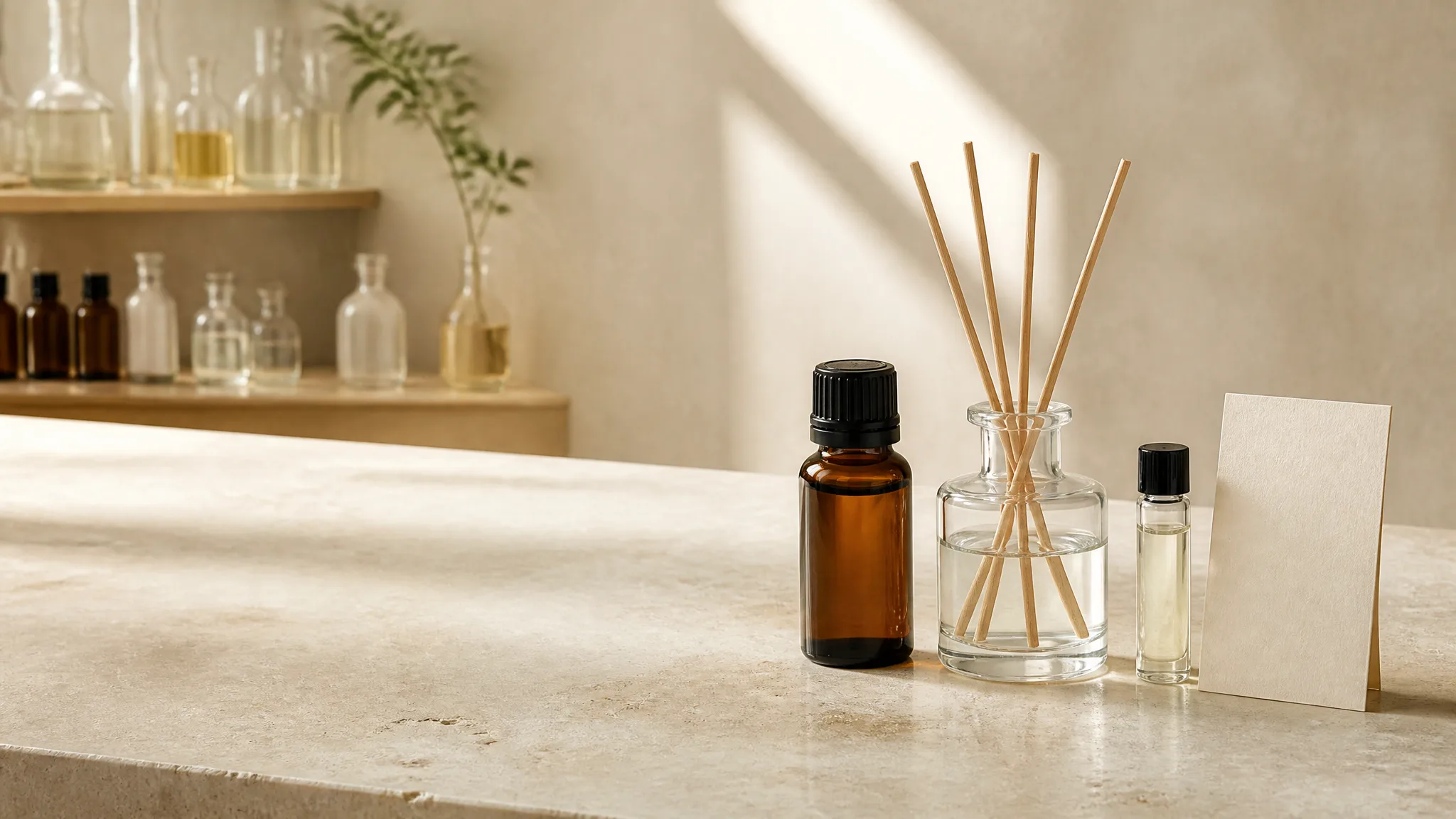
A spa supplier should do more than provide a scent catalogue. The right partner must help a buyer connect fragrance structure, safety documentation, room application, packaging, and replenishment. When the same aroma is used in a treatment room, reception area, and retail shelf, a small change in formula or component can affect the entire guest experience. Choosing a reliable spa aromatherapy supplier is therefore a product-quality decision and an operational decision.
Dr. Clara Vance, Fragrance Director at PeersHome, works with wellness brands and spa operators who need a stable scent program rather than an attractive sample box. This guide explains how to brief the supplier, review fragrance structure, test product compatibility, organize safety records, and establish a repeatable replenishment standard.
1. Begin with the real spa use case
“We need relaxing oils” is not enough information for a professional quotation. Start by describing where the product will be used, who will handle it, how it will be stored, and how guests will encounter it. A treatment-room blend may require a different format and instruction set from a reception diffuser or a take-home retail product.
- Treatment room: application method, dilution route, carrier, and staff handling.
- Reception: ambient scent, placement surface, visitor flow, and refill routine.
- Retail shelf: package format, tester method, customer instruction, and storage.
- Guest amenity: room placement, presentation, care card, and housekeeping handoff.
- Back-of-house: batch separation, stock rotation, and reorder approval.
This brief gives a spa aromatherapy supplier enough context to recommend the right sample set instead of sending a generic selection of popular scents. It also creates a reference for future orders when the spa expands to another room type or location, helping the same spa aromatherapy supplier keep later recommendations consistent.
2. Review fragrance structure, not just the first impression
A fragrance changes as it opens, develops, and settles. A spa buyer should record the first impression, the middle character, the dry-down, and the time required for the room to feel balanced. A bright citrus opening may be attractive during sampling but may not fit a quiet treatment environment after the first phase has passed.
Ask the supplier to describe the scent in practical language: fresh, dry, woody, herbal, floral, resinous, or warm. Keep the description tied to the intended environment rather than promising a medical or emotional outcome. A clear fragrance vocabulary helps therapists, reception staff, and purchasing teams discuss the same material.
| Review point | What to record | Why it matters |
|---|---|---|
| Opening | First impression and intensity | Sets the guest’s initial response |
| Development | Middle character and balance | Shows how the scent behaves in the room |
| Dry-down | Settled character and persistence | Helps define room reset timing |
| Environment | Room size, ventilation, and surface | Prevents showroom-only approval |
| Documentation | Formula reference and batch record | Supports repeat-order consistency |
This makes spa aromatherapy supplier comparisons more useful because the buyer evaluates the complete scent experience, not only the opening note or bottle presentation. A second spa aromatherapy supplier can be assessed against the same record rather than a different sampling standard.

3. Ask for batch-specific documentation
Documentation should identify the material or finished product being supplied. Ask which records are available for the specific batch, what testing method was used, how the product should be stored, and how long the documentation remains relevant. A general document with no connection to the actual material is difficult to use during a quality review.
The document set will depend on the product type and destination market. Keep the formula reference, batch information, packaging version, and approved sample together. When a supplier changes the source, concentration, carrier, bottle, closure, label, or carton, the buyer should be able to identify which records need to be reviewed again.
4. Review dilution and handling instructions
Many spa products are not used directly from the supplier’s original container. They may be diluted, blended, transferred, added to a carrier, or used in a diffuser format. The operating instruction should state the intended application and handling route without encouraging staff to improvise.
- Identify the approved product and batch reference before opening.
- Use the designated carrier or diffuser format for the intended application.
- Record the prepared blend or transfer according to the spa’s internal procedure.
- Keep the original label and supporting record available to the operating team.
- Separate held or unapproved material from active treatment stock.
A dependable spa aromatherapy supplier should help the buyer turn technical information into instructions that staff can follow consistently. That support is part of evaluating a spa aromatherapy supplier, not an optional service after purchase.
5. Check formula and component compatibility together
Fragrance materials can interact with glass, plastics, closures, reeds, labels, adhesives, and coatings. Review the formula and the final container as one system. If a supplier proposes a different bottle, cap liner, reed, or label adhesive, request a compatibility review before approving the change.
The same fragrance may behave differently in a treatment bottle, reed diffuser, room spray, or retail package. Keep a retained sample of the approved combination and record the component version. This is especially important when a spa uses one signature scent across several customer touchpoints.
6. Test the supplier sample in the actual spa
A sample should be tested by the people who will use it. Place the product in the actual treatment room, reception zone, retail shelf, or guest room. Ask staff to complete the real handling sequence, including opening, placement, storage, cleaning around the item, and reporting a problem.
Record friction points. A bottle that is difficult to open, a care card that is unclear, or a package that takes too long to put away can create repeated support requests. The pilot should produce a working service instruction, not only a positive fragrance reaction.
7. Build storage and replenishment controls
Stock should be organized by product, version, batch, location, receiving date, and review status. Keep approved and held materials separate. Make the record easy enough for a room lead or storekeeper to maintain without a special software workflow.
| Control record | Responsible owner | Review question |
|---|---|---|
| Central stock | Procurement or warehouse | Is approved material available? |
| Room stock | Therapist or room lead | Is the product identified and ready? |
| Batch file | Quality or operations | Does the document match the material? |
| Component file | Product or design team | Is the package version current? |
| Reorder request | Purchasing | Is the requested version still approved? |
A clear register makes spa aromatherapy supplier performance easier to review because the buyer can see whether a problem came from the formula, component, storage route, or reorder process. It also gives the spa aromatherapy supplier a concrete record for the next replenishment review.
8. Manage changes before they reach the treatment room
Ask the spa aromatherapy supplier to notify the buyer before changing a source, extraction route, formula, carrier, container, closure, reed, label, carton, adhesive, or packing method. A small change can affect the scent profile, handling, storage, or guest presentation even when the product name remains the same.
Keep one approved reference sample and identify the person who can authorize a change. A documented change route protects both parties: the buyer knows what will arrive, and the spa aromatherapy supplier has a clear approval record before a new version enters production.
9. Review safety information and market language
Before approving fragrance claims, treatment instructions, or customer-facing safety language, review current information from the International Fragrance Association and confirm that the documentation fits the product type, concentration, intended use, and destination market. Do not print a certification or claim that is not supported by the available documentation.
For related planning, review our bulk essential oils for spa compliance guide, our private label aromatherapy supplier guide, and our wholesale spa aromatherapy products procurement guide.
10. Approve the supplier with a practical checklist
Before approving a spa aromatherapy supplier, confirm the following:
- The supplier understands the treatment, reception, guest, and retail use cases.
- The fragrance brief records the intended scent character and exclusions.
- Batch-specific documentation is connected to the approved material.
- Dilution, transfer, storage, and handling instructions are clear.
- Formula and component compatibility have been reviewed together.
- The sample has been tested by the staff who will use it.
- Stock rotation, held material, and reorder controls are documented.
- Supplier changes require notification and approval.
A strong spa scent program begins with a clear use case and ends with a controlled reorder. Review fragrance structure, connect formula and packaging, test the real workflow, and keep documentation tied to the approved version. A reliable spa aromatherapy supplier becomes a long-term operational partner when product quality and service consistency are managed together.
— Dr. Clara Vance, Fragrance Director
Looking for a spa aromatherapy supplier to craft a signature blend for your brand? Reach out to our lab.






One thought on “Spa Aromatherapy Supplier: A B2B Formula, Safety, and Replenishment Guide”