
Blog
Essential Oils for Sleep: Best Scents, Diffuser Placement, and Nighttime Aromatherapy Guide

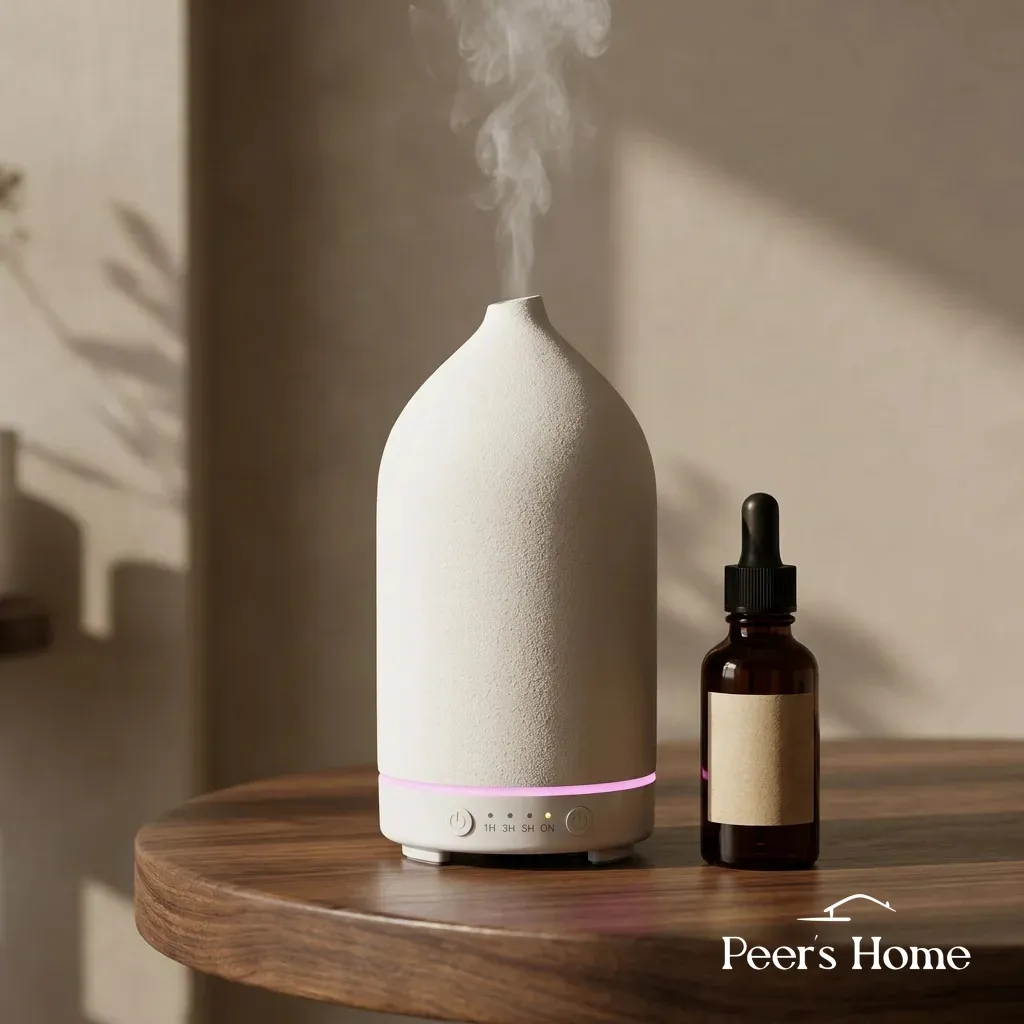
Direct answer: The most effective essential oils for sleep are true French lavender (Lavandula angustifolia), Roman chamomile, and Texas cedarwood, which contain high natural concentrations of linalool, linalyl acetate, and cedrol that help calm autonomic nervous system arousal. For optimal nighttime rest, add 3 to 5 drops to an ultrasonic cool mist diffuser and run it for 30 to 60 minutes before bedtime rather than diffusing continuously all night. Position the device at least 3 feet away from your pillows in a well-ventilated bedroom to avoid olfactory habituation and maintain fresh indoor air.
Bedtime aromatherapy works by stimulating the olfactory bulb, which connects directly to the brain’s limbic system and amygdala to regulate emotional stress and heart rate. However, using essential oils for sleep requires the right botanical profiles, safe dilution, correct device positioning, and scheduled diffusion times. This comprehensive guide details the top single oils, balanced nighttime blends, diffuser setup rules, pet safety considerations, and common bedtime mistakes to avoid.
By Dr. Clara Vance, Chief Aromatherapist & Fragrance Consultant | Last updated: October 3, 2026
Top 6 Essential Oils for Sleep and Relaxation: Scent Profiles & Science
Not every calming botanical functions the same way. When choosing essential oils for sleep, look for specific therapeutic chemotypes that promote parasympathetic tone rather than uplifting top notes that might stimulate alertness.
| Botanical Oil | Primary Active Compounds | Aroma Character | Best Used For |
|---|---|---|---|
| French Lavender (Lavandula angustifolia) | Linalool (30-40%), Linalyl Acetate (35-45%) | Herbaceous, sweet floral, clean wood undertone | Racing thoughts, restlessness, elevated bedtime heart rate |
| Roman Chamomile (Anthemis nobilis) | Isobutyl Angelate, Isoamyl Angelate | Crisp apple-like, warm herbal, soothing | Nervous tension, children’s bedtime routines, muscle relaxation |
| Texas Cedarwood (Juniperus mexicana) | Cedrol, Thujopsene, Cedrene | Dry woody, warm balsam, grounding earth | Deep slow-wave sleep support, grounding erratic evening energy |
| Sweet Bergamot (Citrus bergamia) | Linalyl Acetate, Limonene, Linalool | Bright citrus with soft floral, non-phototoxic FCF | Evening stress relief, unwinding after intense mental work |
| Frankincense (Boswellia carterii) | Alpha-Pinene, Octyl Acetate, Limonene | Resinous, warm pine, meditative spice | Bedtime breathing exercises, meditation, quiet contemplation |
| Sweet Marjoram (Origanum majorana) | Terpinen-4-ol, Sabinene, Gamma-Terpinene | Warm herbaceous, subtle camphorous spice | Physical muscle tightness, shallow chest breathing before sleep |
1. French Lavender (Lavandula angustifolia)
True lavender remains the gold standard in sleep aromatherapy. Clinical research documented by the National Center for Complementary and Integrative Health (NCCIH) indicates that inhaled linalool and linalyl acetate interact with GABA-A receptors, reducing sympathetic nervous system activity. Make sure you use Lavandula angustifolia rather than Spike Lavender (Lavandula latifolia), which contains high levels of 1,8-cineole and camphor that can actually act as respiratory stimulants and disrupt sleep onset.
2. Roman Chamomile and Cedarwood for Deep Rest
While lavender quiets mental chatter, cedarwood supplies grounding base notes rich in cedrol. Inhalation of cedrol has been shown to support slow-wave restorative sleep cycles. Roman chamomile offers warm ester compounds that soften sharp edges in a blend, making the combination of lavender, cedarwood, and chamomile one of the most balanced bedtime formulas available.
How to Choose and Set Up Your Bedroom Diffuser for Sleep
The type of diffuser you use directly dictates scent dispersion, humidity balance, and safety while you rest. For bedroom environments, quiet operation and scheduled shutoff timers are critical.
For most households, an ultrasonic cool mist diffuser is ideal. For example, the Peer’s Home Silent Night Light Ultrasonic Diffuser operates below 36dB with a 120ml tank and automatic waterless shutoff, delivering a gentle aromatic mist that will not oversaturate a bedroom. If you prefer natural artisan materials that blend into upscale nightstand decor, the Peer’s Home Ceramic Aroma Diffuser features a handcrafted matte glazed shell with 1-hour and 2-hour shutoff timers.
For travelers or compact bedside tables without outlet clutter, the cordless Peer’s Home Battery Mini Waterless Diffuser provides intermittent cold-air diffusion with zero water handling and whisper-quiet operation under 28dB.
Essential Diffuser Placement Rules in the Bedroom
- Maintain a 3 to 6 foot buffer: Place the diffuser on a dresser, vanity, or far nightstand rather than right next to your pillow. Direct mist on your face can cause nasal irritation or micro-droplet condensation.
- Elevate above ground level: Position the device 2 to 3 feet off the floor to allow the micro-mist to vaporize and circulate before settling on carpets or bedding.
- Keep bedroom doors slightly ajar: According to guidance from the U.S. Environmental Protection Agency (EPA), adequate indoor ventilation prevents volatile organic concentrations from building up in enclosed sleeping quarters.
- Avoid blowing mist directly at electronics or wooden headboards: Ultrasonic cool mist carries fine moisture particles that should disperse freely into ambient air.
3 Tested Nighttime Essential Oil Blends for Sleep
Blending essential oils creates synergistic aromatic accords that address both physical restlessness and cognitive tension. Add the following drop ratios to a 100ml to 150ml water reservoir:
Blend 1: The Classic Deep Slumber Accord (Soothing & Grounding)
- 3 drops French Lavender (Lavandula angustifolia)
- 2 drops Texas Cedarwood (Juniperus mexicana)
- 1 drop Roman Chamomile (Anthemis nobilis)
- Best for: General sleeplessness, physical fatigue, and establishing a regular wind-down anchor.
Blend 2: The Busy Mind Quieter (De-Stressing & Uplifting Warmth)
- 2 drops Bergamot FCF (bergapten-free)
- 2 drops Frankincense (Boswellia carterii)
- 2 drops French Lavender
- Best for: After long workdays filled with screen time, overthinking, and difficulty transitioning out of work mode.
Blend 3: The Velvet Forest Accord (Earthy & Respiratory Ease)
- 3 drops Texas Cedarwood
- 2 drops Sweet Marjoram
- 1 drop Sweet Orange
- Best for: Those who dislike floral scents and prefer warm, comforting forest aromas with subtle herbal notes.
The 30-Minute Bedtime Aromatherapy Routine
The Sleep Foundation’s clinical sleep hygiene guide emphasizes that olfactory cues become conditioned sleep triggers when practiced consistently as part of a structured evening wind-down routine.
Follow this step-by-step evening sequence:
- T-minus 45 Minutes (Preparation): Fill your ultrasonic diffuser with room-temperature filtered water. Add 3 to 4 drops of your selected essential oils for sleep. Turn the device on with a 60-minute auto-timer.
- T-minus 30 Minutes (Scent Priming): Keep the bedroom door slightly open while you complete your nighttime hygiene routine. The aroma will gently distribute throughout the room without creating overpowering pockets of mist.
- T-minus 10 Minutes (Sensory Transition): Dim harsh overhead lights, turn off smartphone screens, and switch your diffuser light to a soft warm amber glow or turn the LED off entirely.
- Bedtime (Rest & Natural Shutoff): Settle into bed with the ambient scent established. As you drift off, the timer will automatically shut the diffuser off, preventing continuous midnight exposure and preserving olfactory sensitivity.
Pet Safety: Using Essential Oils in Bedrooms Shared with Dogs and Cats
If your pets sleep in your bedroom, pet safety must take top priority. Cats lack essential glucuronosyltransferase liver enzymes, making them exceptionally sensitive to phenols, terpenes, and monoterpenes found in concentrated plant extracts. Dogs also possess highly acute olfactory systems that can become overwhelmed by heavy diffusion.
The ASPCA Animal Poison Control Center and veterinary toxicology resources outline strict rules for diffusing around domestic animals:
- Strictly avoid high-risk oils: Never diffuse tea tree (melaleuca), pennyroyal, wintergreen, eucalyptus, pine, clove, or cinnamon in enclosed rooms where cats or dogs sleep.
- Always leave a clear exit path: Never close a bedroom door with a running diffuser if a pet is inside. Animals must always have the freedom to walk into an un-scented room if the scent bothers them.
- Lower drop counts: Reduce oil concentration to 1 to 2 drops in larger water volumes (150ml+) to ensure faint, well-tolerated ambient diffusion.
- Store bottles out of reach: Ingesting concentrated neat essential oils from knocked-over bedside bottles represents the single most common cause of pet toxicity emergencies.
Common Bedtime Aromatherapy Mistakes to Avoid
- Mistake 1: Running diffusers continuously all night (8+ hours). Continuous diffusion overstimulates olfactory receptors, leading to nasal mucosal dryness, morning congestion, or mild headaches. Intermittent or 1-hour timer modes are vastly superior.
- Mistake 2: Overdosing drops. Adding 10 to 15 drops into a small 100ml tank does not double the sleep benefit; it creates respiratory irritation. Stick strictly to 3 to 5 drops.
- Mistake 3: Confusing synthetic fragrance oils with pure essential oils. Cheap synthetic perfume oils contain petroleum-derived solvents, phthalates, and artificial fixatives that offer zero pharmacological relaxation benefit and frequently cause sinus irritation.
- Mistake 4: Neglecting weekly reservoir sanitation. Stagnant water left in ultrasonic reservoirs can harbor biofilm and micro-algae. Wipe your diffuser tank weekly with a cloth dampened with white vinegar and warm water.
Frequently Asked Questions About Essential Oils for Sleep
Which essential oil is most effective for deep sleep?
True French lavender (Lavandula angustifolia) is the most scientifically validated essential oil for sleep quality. Its high natural concentrations of linalool and linalyl acetate work synergistically to reduce autonomic nervous system arousal, ease resting heart rate, and encourage restful slumber. Pairing lavender with Texas cedarwood or Roman chamomile produces an even deeper calming effect.
Should I run an essential oil diffuser all night while sleeping?
No, running a diffuser continuously for 8 hours while sleeping is not recommended. Continuous diffusion can lead to olfactory fatigue, nasal passage dryness, or mild morning headaches. The optimal approach is using a 30 to 60-minute automatic timer before bed or selecting an intermittent mist mode that pulses for 30 seconds on and 30 seconds off.
How many drops of essential oil should I use for sleep?
For standard bedroom sizes (120 to 200 sq.ft) with a 100ml to 150ml ultrasonic diffuser, use between 3 and 5 total drops of pure essential oil. In smaller bedrooms or rooms shared with sensitive individuals or pets, decrease the dosage to 1 to 2 drops.
Where is the best place to put an ultrasonic diffuser in a bedroom?
Position your diffuser on a stable surface 2 to 3 feet off the floor, such as a dresser or vanity table, at least 3 to 6 feet away from your head. This distance ensures that fine mist particles thoroughly mix with room air rather than condensing onto your bedsheets or directly blowing into your face.
Can essential oils cause headaches or congestion at night?
Yes, headaches or sinus congestion usually occur when using synthetic fragrance oils, adding too many drops, running the device without proper room ventilation, or using camphor-heavy oils like spike lavender or eucalyptus. Always choose 100% pure botanical oils, maintain modest drop counts, and ensure adequate bedroom airflow.
Are sleep diffusers safe if my dog or cat sleeps in the room?
Sleep diffusers can be used safely around pets provided you use low concentrations (1 to 2 drops), avoid toxic oils such as tea tree, eucalyptus, wintergreen, and clove, and always keep the bedroom door open so the pet can freely leave the area if desired.
What is the difference between lavender essential oil and lavender fragrance oil?
Pure lavender essential oil is steam-distilled directly from the flowering tops of Lavandula angustifolia, containing active therapeutic compounds like linalool that trigger physiological relaxation. Synthetic lavender fragrance oil is artificially compounded from petrochemicals and phthalates to mimic the scent; it offers no biological sleep benefits and may trigger allergic or airway sensitivity.
Safety notice: Essential oils are concentrated botanical extracts intended for aromatic diffusion and should never be ingested. If you have chronic asthma, respiratory allergies, or are pregnant, consult a qualified healthcare provider before beginning any new nighttime aromatherapy routine.