
Blog
Essential Oils for Focus: Best Scents, Desk Diffuser Setups, and Workday Aromatherapy Guide

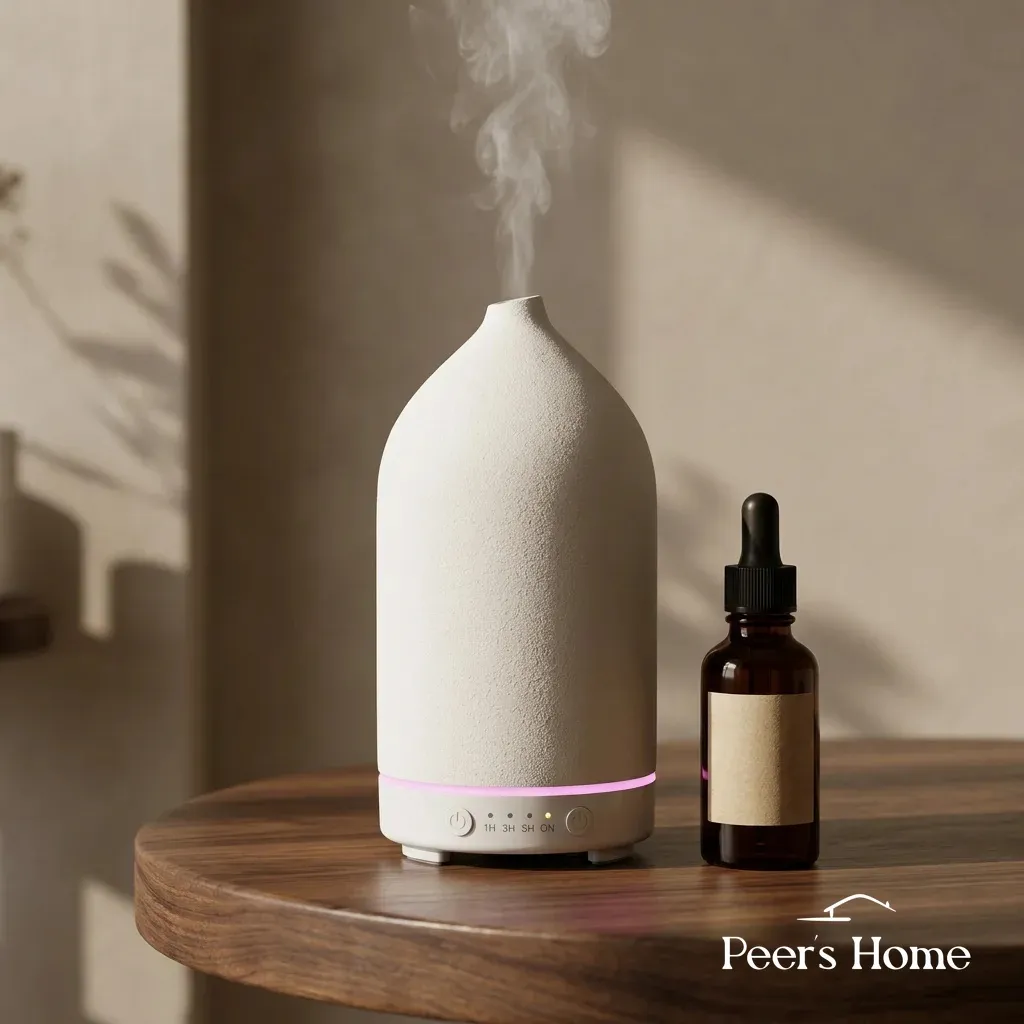
Direct answer: The most effective essential oils for focus and mental clarity are rosemary (Rosmarinus officinalis ct. cineole), peppermint (Mentha piperita), sweet orange (Citrus sinensis), and lemon (Citrus limon). Clinical research shows that inhaling the active terpene 1,8-cineole in rosemary stimulates acetylcholine transmission in the brain, improving speed and accuracy during cognitive tasks. For optimal daytime focus, add 3 to 4 drops of rosemary and 2 drops of peppermint to a compact desk ultrasonic or waterless diffuser, running it on an intermittent cycle (30 minutes on, 30 minutes off) within a well-ventilated home office workspace.
Workday brain fog, mid-afternoon energy slumps, and chronic digital distractions are common obstacles for remote workers and students alike. While many rely on excess caffeine or energy drinks, olfactory stimulation via essential oils for focus offers a non-jittery, direct pathway to enhance concentration and working memory. The olfactory nerve transmits aromatic molecules directly into the limbic system, prefrontal cortex, and hippocampus, directly influencing alertness, mood, and cognitive retention. This evidence-based guide breaks down the top botanical oils for productivity, desk diffuser placement rules, synergistic focus blends, and crucial pet safety protocols for home offices.
By Elena Rostova, Product Design & Wellness Lifestyle Lead | Last updated: October 5, 2026
Top 6 Essential Oils for Focus and Mental Clarity: Science & Scent Profiles
Not all uplifting aromas provide the same cognitive benefits. Selecting the right essential oils for focus requires understanding specific botanical chemotypes and their neurological mechanisms.
| Botanical Oil | Primary Bioactive Compounds | Aroma Profile | Key Cognitive Benefit |
|---|---|---|---|
| Rosemary (Rosmarinus officinalis) | 1,8-Cineole, Alpha-Pinene, Camphor | Crisp herbal, woody, refreshing pine | Enhances working memory speed, recall accuracy, and executive alertness |
| Peppermint (Mentha piperita) | Menthol, Menthone, 1,8-Cineole | Cooling, sharp herbaceous menthol | Combats mental fatigue, stimulates sustained alertness, and clears brain fog |
| Sweet Orange (Citrus sinensis) | Limonene (90-95%), Myrcene | Sweet radiant citrus, uplifting, warm | Reduces task-induced anxiety while maintaining cheerful, positive motivation |
| Lemon (Citrus limon) | Limonene, Beta-Pinene, Gamma-Terpinene | Zesty, clean, bright tart citrus | Decreases data-entry typing errors and sharpens sustained attention spans |
| Sweet Basil (Ocimum basilicum) | Linalool, 1,8-Cineole, Eugenol | Sweet spicy herbal, subtle anise undertone | Relieves nervous exhaustion and supports prolonged analytical thinking |
| Frankincense (Boswellia carterii) | Alpha-Pinene, Octyl Acetate, Incensole | Deep resinous, warm balsamic, grounding | Stabilizes racing thoughts, deepens breathing, and anchors mindful flow states |
1. Rosemary: The Premier Botanical for Memory and Alertness
Rosemary has been linked to memory and remembrance since antiquity, and modern neuropharmacology now confirms this correlation. Peer-reviewed clinical trials indexed by the National Institutes of Health (NIH / NCBI) demonstrate that blood plasma levels of 1,8-cineole correlate directly with improved cognitive performance, memory retention, and arithmetic speed. Inhaled 1,8-cineole inhibits acetylcholinesterase, an enzyme that breaks down the crucial neurotransmitter acetylcholine, thereby sustaining mental clarity over long study or work sessions.
2. Peppermint and Citrus Oils for Afternoon Energy
When the 2:00 PM cognitive dip hits, peppermint provides an immediate sensory jolt. Clinical research outlined by the National Center for Complementary and Integrative Health (NCCIH) highlights how menthol vapors stimulate trigeminal nerve endings, increasing physiological vigilance and perceived airflow. Pairing peppermint with bright citrus oils like sweet orange or lemon creates an uplifting synergy that keeps task motivation high without causing the physical restlessness associated with excess caffeine consumption.
Desk Diffuser Setups: Choosing the Right Format for Your Workspace
Deploying essential oils for focus in a home office or shared study requires careful consideration of device noise, mist volume, and water management. An oversized or noisy unit can become a distraction rather than a productivity aid.
For most desktop setups, a whisper-quiet ultrasonic cool mist diffuser is the practical benchmark. The Peer’s Home Minimalist Aroma Diffuser features a compact 140 ml reservoir, dual mist settings, and ultra-quiet operation under 30dB, gently humidifying dry workspace air while micro-atomizing botanical extracts without dampening documents or electronics. If your desk aesthetic favors organic textures and matte artisan finishes, the Peer’s Home Ceramic Aroma Diffuser provides a timeless handcrafted ceramic shell with dedicated 1-hour and 2-hour concentration timer modes.
If you prefer a 100% waterless setup without water refills or tank cleanings, consider the Peer’s Home Wood & Glass Nebulizing Diffuser. Waterless nebulizers atomize pure botanical oil straight from the vial using cold pressurized air, delivering an undiluted, crisp aroma that cuts through stuffy office air in minutes.
For hybrid commuters or professionals working across hot-desks and meeting pods, the cordless Peer’s Home Battery Mini Waterless Diffuser offers portable intermittent diffusion that charges via USB-C and operates cord-free throughout the workday.
Workspace Diffuser Placement & Ventilation Rules
- Maintain a 2 to 4 foot perimeter: Avoid positioning your diffuser directly beside your laptop keyboard or pointing mist straight at your face. Place it at the corner of your desk or a nearby bookshelf.
- Utilize intermittent diffusion cycles: Olfactory receptors habituate to continuous scents within 15 to 20 minutes (known as sensory adaptation). Running your diffuser on a 30-minute on/off cycle maintains cognitive responsiveness without sensory overload.
- Ensure baseline fresh air circulation: As recommended by the U.S. Environmental Protection Agency (EPA), keeping an office door ajar or a window cracked ensures adequate air exchange and prevents volatile organic buildup.
4 High-Impact Essential Oil Blends for Workday Productivity
Blending single notes enhances aromatic complexity and creates synergistic therapeutic outcomes. Add these drop ratios to a 100 ml to 150 ml ultrasonic diffuser with clean tap or filtered water:
1. The Deep Work & Coding Blend (Precision & Accuracy)
- 3 drops Rosemary (Rosmarinus officinalis)
- 2 drops Peppermint (Mentha piperita)
- 2 drops Lemon (Citrus limon)
- Best for: Complex spreadsheet modeling, software programming, academic writing, and exam cramming.
2. The Creative Flow & Brainstorming Blend (Inspiration & Positivity)
- 3 drops Sweet Orange (Citrus sinensis)
- 2 drops Sweet Basil (Ocimum basilicum)
- 1 drop Frankincense (Boswellia carterii)
- Best for: Design prototyping, marketing copywriting, content creation, and creative strategy sessions.
3. The Afternoon Slump Buster (Instant Wakefulness)
- 3 drops Grapefruit (Citrus paradisi)
- 2 drops Peppermint (Mentha piperita)
- 1 drop Eucalyptus Globulus (Eucalyptus globulus)
- Best for: Beating post-lunch lethargy, long administrative backlogs, and evening study shifts.
4. The Executive Calm & Stress Relief Blend (Composed Focus)
- 2 drops Frankincense (Boswellia carterii)
- 2 drops Bergamot FCF (Citrus bergamia)
- 2 drops Rosemary (Rosmarinus officinalis)
- Best for: High-stakes negotiation prep, investor presentations, and managing deadline pressure without panic.
Pet Safety and Aromatherapy Etiquette in Home Workspaces
When using essential oils for focus in homes with furry family members, caution is imperative. Cats and dogs metabolize aromatic hydrocarbons differently than humans due to deficiencies in glucuronyl transferase liver enzymes.
According to veterinary toxicology data from the ASPCA Animal Poison Control Center and the Pet Poison Helpline, high-phenol and high-terpene oils—including tea tree (melaleuca), pennyroyal, wintergreen, and high concentrations of cinnamon bark—should never be diffused in enclosed pet areas.
- Always leave workspace doors open: Allow pets free exit if they find an aroma overwhelming or irritating to their sensitive olfactory systems.
- Never apply undiluted oils to pets: Diffuse conservatively at low drop counts (2 to 4 drops maximum) rather than heavy saturation.
- Store oil bottles securely: Keep pure botanical vials locked in drawers to prevent curious pets or young children from knocking over concentrated liquids.
- Watch for toxicity signs: Drooling, lethargy, unsteady gait, or respiratory coughing indicate immediate removal to fresh air and veterinary evaluation.
Common Mistakes When Using Essential Oils for Focus
- Over-saturating the water tank: Adding 10 to 15 drops in a small room overwhelms olfactory pathways and triggers headaches instead of concentration. Stick to 3 to 5 drops per 100 ml water.
- Neglecting regular diffuser cleaning: Mineral deposits and rancid oil residues harbor biofilm and degrade mist atomization. Wipe the water tank weekly with warm water and a splash of white distilled vinegar.
- Using sedative oils by mistake: Diffusing heavy sedative botanicals like ylang ylang, valerian root, or high-dose true lavender during work hours can induce drowsiness rather than alertness. Reserve those for evening wind-down rituals.
- Buying synthetic fragrance oils: Synthetic perfume oils contain phthalates and dipropylene glycol carriers that lack natural terpenes and frequently cause sinus irritation. Always choose 100% pure, GC-MS verified essential oils.
Frequently Asked Questions About Essential Oils for Focus
Explore answers to common questions regarding botanical oils, office setups, and cognitive aromatherapy.
{ “@context”: “https://schema.org”, “@type”: “FAQPage”, “mainEntity”: [ { “@type”: “Question”, “name”: “Which essential oil is best for focus and concentration?”, “acceptedAnswer”: { “@type”: “Answer”, “text”: “Rosemary (Rosmarinus officinalis ct. cineole) is widely considered the best essential oil for focus and concentration. Clinical trials show its high concentration of 1,8-cineole supports acetylcholine transmission in the brain, improving speed and accuracy on cognitive tasks and working memory recall.” } }, { “@type”: “Question”, “name”: “How many drops of essential oils should I use in my desk diffuser for focus?”, “acceptedAnswer”: { “@type”: “Answer”, “text”: “For a standard desktop ultrasonic diffuser with a 100 ml to 150 ml capacity, use 3 to 5 drops of pure essential oil. In smaller work pods or shared offices, 2 to 3 drops provide subtle cognitive support without overwhelming coworkers.” } }, { “@type”: “Question”, “name”: “Can essential oils help with afternoon brain fog and fatigue?”, “acceptedAnswer”: { “@type”: “Answer”, “text”: “Yes. Peppermint and bright citrus oils like sweet orange, lemon, and grapefruit contain menthol and limonene, which stimulate trigeminal receptors and enhance sympathetic alertness, effectively clearing mid-afternoon mental fatigue without caffeine crashes.” } }, { “@type”: “Question”, “name”: “Is it safe to diffuse essential oils all day while working?”, “acceptedAnswer”: { “@type”: “Answer”, “text”: “It is best to diffuse intermittently rather than continuously all day. Running your desk diffuser for 30 to 45 minutes on followed by a 30 to 60 minute break prevents olfactory receptor fatigue (sensory adaptation) and maintains optimal therapeutic responsiveness.” } }, { “@type”: “Question”, “name”: “What type of diffuser is best for a home office desk?”, “acceptedAnswer”: { “@type”: “Answer”, “text”: “A compact ultrasonic cool mist diffuser operating below 30dB (such as the Peer’s Home Minimalist Aroma Diffuser) is ideal for most home offices because it runs silently and provides gentle air hydration. For zero water handling, a battery-powered or cold-air waterless nebulizing diffuser is an excellent alternative.” } }, { “@type”: “Question”, “name”: “Are focus essential oils safe to diffuse around cats and dogs?”, “acceptedAnswer”: { “@type”: “Answer”, “text”: “Certain oils like tea tree, pennyroyal, wintergreen, and high concentrations of cinnamon bark are toxic to pets and must be avoided. When diffusing pet-safe oils like sweet orange or frankincense, always keep doors open so animals can leave the room freely, and maintain low drop concentrations.” } }, { “@type”: “Question”, “name”: “Can I blend rosemary and peppermint together for studying?”, “acceptedAnswer”: { “@type”: “Answer”, “text”: “Yes. A 3:2 ratio of rosemary to peppermint is one of the most effective botanical synergies for studying, coding, and analytical tasks. Rosemary anchors working memory, while peppermint sharpens wakefulness and sensory alertness.” } } ] }Summary: Elevating Your Workday with Sensory Focus
Integrating essential oils for focus into your daily workflow is an effortless, natural biohack for sustainable productivity. By pairing clinically backed botanicals like rosemary, peppermint, and sweet orange with a quiet, reliable ultrasonic or waterless desk diffuser, you can transform your home workspace into an invigorating sanctuary of clarity and composure.