Blog
Mindful Interior Design: 7 Ultimate Rules for Calm

Our living environments have a profound impact on our daily psychological state, shaping how we process stress and find restoration. In an era where digital noise is inescapable, turning our homes into true sanctuaries is no longer optional. Adopting the principles of mindful interior design goes far beyond mere decoration. It is an intentional philosophy that prioritizes empty space, high-quality materials, and sensory harmony to build a protective buffer against the modern world’s demands.
Table of Contents
- The Core Principles of mindful interior design
- Visual and Olfactory Harmony
- Creating Your Emotional Sanctuary
- Functional Art in Daily Life
- Frequently Asked Questions
The Core Principles of mindful interior design
The foundation of this aesthetic philosophy is radical simplification. Every object you bring into your space should serve a distinct functional purpose or evoke a profound sense of peace. Clutter is not merely a physical nuisance; it is a visual representation of unfinished tasks that constantly drains your cognitive bandwidth. By eliminating the non-essential, you instantly create room for clarity and focus.This is highly consistent with the core philosophy of “decluttering.”
Beyond decluttering, it is vital to focus on material quality. Natural elements such as untreated wood, raw stone, and pure ceramics carry an inherent grounding energy. They connect us back to the earth, quietly reinforcing our biological need for natural environments.
Visual and Olfactory Harmony
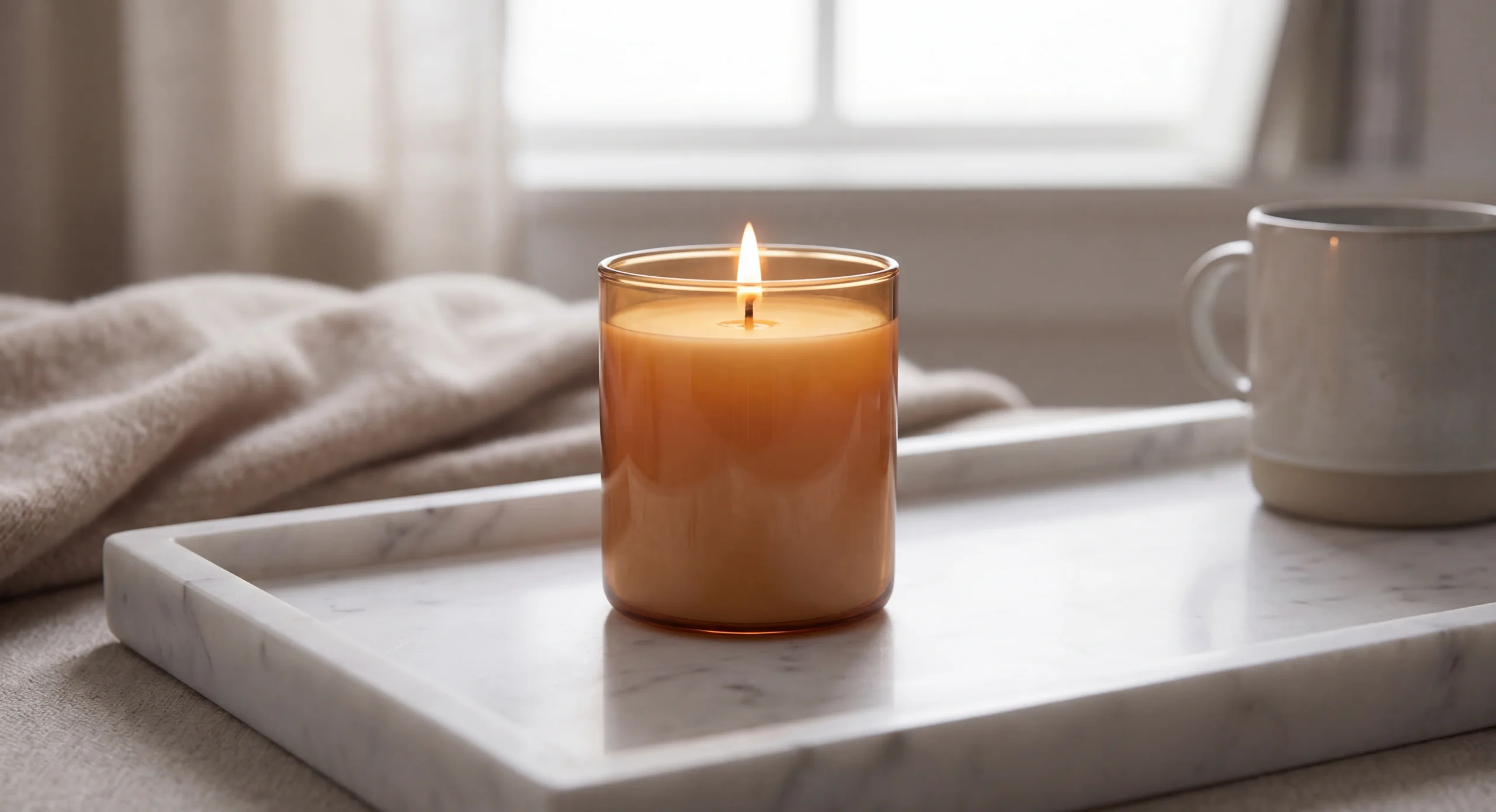
While visual silence is crucial, engaging other senses completes the restorative experience. Scent is incredibly powerful because the olfactory system bypasses the conscious mind, sending signals directly to the brain’s emotional center. This is where mindful interior design truly shines—it seamlessly integrates ambient fragrance into the visual landscape.
Scientific literature on Interior architectural balance confirms that a cohesive sensory environment significantly lowers cortisol levels. When the room looks clean and smells like grounding cedarwood or calming lavender, the nervous system receives a unified message: you are safe, and it is time to rest.
“Design is not just what it looks like and feels like. Design is how it makes you feel when you simply exist within it.”
Creating Your Emotional Sanctuary
To successfully curate your space, start by identifying your primary stress triggers. Is it the harsh overhead lighting? Is it the stale air in a closed room? Address these systematically. Swap cold bulbs for warm, amber-toned lighting, and introduce elements that gently purify and scent the air.
Strategic placement is key. Do not hide your wellness tools in a cabinet. Display them as functional art. A beautifully crafted piece serves as a visual anchor—a constant, silent reminder to breathe deeply and remain present.
Elevate Your Space with the Minimalist Ceramic Essential Oil Diffuser
Experience the perfect fusion of pure aesthetics, advanced technology, and mindful healing. Transform your room into a sanctuary of calm today.
Discover the CollectionFunctional Art in Daily Life
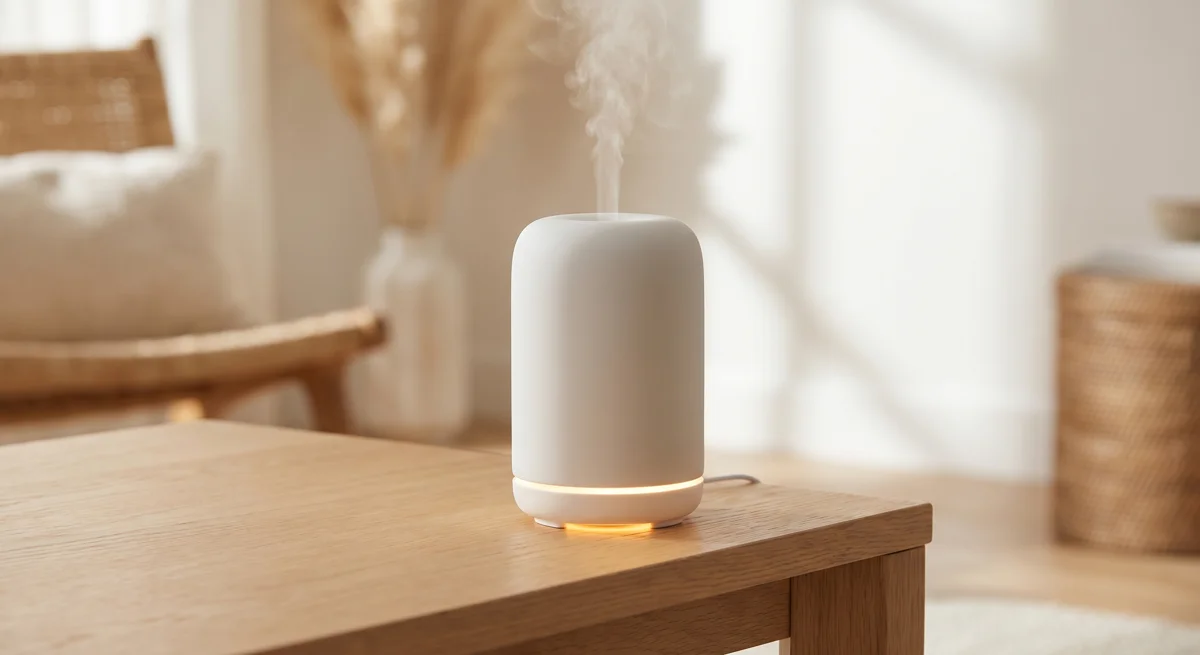
When selecting pieces for your home, demand both superior performance and flawless design. Items like the Minimalist Ceramic Essential Oil Diffuser exemplify this standard. They do not introduce visual noise; instead, they blend into your decor while actively enhancing the room’s atmosphere through whisper-quiet operation and pure aromatic diffusion.
By establishing a daily ritual—such as turning on soft lighting and activating your diffuser as the sun sets—you build a powerful psychological boundary. This ritual signals the definitive end of the workday, allowing you to transition smoothly into a restorative evening.
Frequently Asked Questions
- What is the core philosophy of mindful interior design? It focuses on intentionality—choosing elements that serve a practical function while promoting deep psychological calm and aesthetic beauty.
- How can scent alter my perception of a room? Scent has a direct pathway to the limbic system. A curated fragrance can instantly make a room feel warmer, larger, or more relaxing, altering your emotional baseline.
- Is minimalism just about having fewer things? No, it is about having the *right* things. It is the removal of distractions to elevate the items that genuinely matter and spark joy.
- Where should I place a diffuser for maximum impact? Place it in high-traffic relaxation zones, such as the living room side table or bedroom nightstand, where its visual beauty and aroma can be fully appreciated.
Ultimately, the environment you create is a reflection of how you value your own peace. By embracing these refined principles, you craft a sophisticated, healing home that actively supports your highest well-being.